Job Market stories
Stronger AI adoption and talent inflows have helped Ireland stay ahead of a global hiring slowdown, despite weaker junior recruitment in some sectors.
The Finnish town stands to gain jobs and local spending as atNorth's FIN05 project brings a planned €2 billion investment and future expansion potential.
The site will add about 22,000 square metres and create hundreds of jobs as demand rises for AI cooling and power gear across EMEA.
AI-referral is becoming a meaningful sales channel for merchants, with Shopify saying such sessions converted 80% better than organic search between April and June 2026.
Women hold 63.4% of the jobs most exposed to generative AI in UK manufacturing, raising fears the technology could widen workplace inequality.
Generative AI and scams are making many rangatahi doubt what they see online, even as reliable internet remains vital for school, work and services.
A single workflow could help contractors prove social value delivery, as scrutiny grows over whether public sector bids match local needs on the ground.
Home sellers face weaker demand as QV says buyers have the upper hand and the average New Zealand house value has slipped to $892,580.
Most New Zealand accounting firms expect AI to reshape workloads and lift advisory services, with 94% saying it will not cut jobs next year.
Bootstrapped and profitable, the Christchurch startup's rapid growth suggests Kiwi firms are paying for practical AI help rather than standalone tools.
The expansion could create up to 1,000 jobs as the independent grocer seeks finance for a wider rollout beyond its current two stores.
The 1GW scheme could bring 750 construction jobs and 450 permanent roles to a former nuclear site near Annan if approved.
Recovery alone may not ease youth joblessness, with 15 to 19-year-olds facing 25.3 percent unemployment and AI adding uncertainty.
Most UK firms are using AI to redesign jobs rather than cut them, with 60% of leaders saying it has created new roles or teams.
Only 30% of firms with one to 19 staff plan to recruit in the next year, highlighting a widening gap with bigger employers.
Yet debt and living costs are leaving many with little safety net, as 45% can cover under three months of basics if income stops.
Households are feeling the squeeze as higher fuel costs and the Reserve Bank of Australia's latest rate rise drove confidence down 4.7% in October.
Higher mortgage costs and uncertainty have kept turnover weak, with August deals down 11.6% year on year and values still subdued.
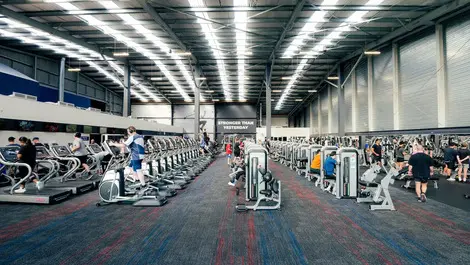
The expansion could create up to 1,000 jobs and take the chain beyond 100 sites nationwide over the next five years.
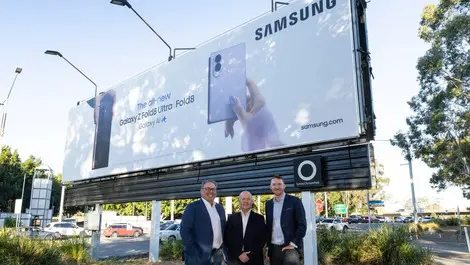
The upgrade will expand ad inventory across the precinct as all seven static sites are turned into digital screens under a AUD $4 million plan.