Resilience stories
Organisations are expected to judge digital projects by whether they keep services secure, accessible and running when pressure hits, not by novelty alone.
Racks are already pushing 50-100kW, forcing operators to redesign cooling, power and build methods for AI workloads.
By 2027, enterprises may shift high-volume AI workloads in-house to cut unpredictable API bills and reduce dependence on outside providers.
The twin wins highlight a shift towards campaigns tied to customer problems, with marketing now helping Com-X build pipeline and sales engagement.
Retailers choosing point-of-sale systems may increasingly prioritise uptime, AI and regulatory support, after GK topped IHL's latest study in key segments.
Enterprise application teams may be able to diagnose middleware faults without waiting for specialist administrators, as meshIQ adds Neo to its platform.
Shared AI failures could hit insurers and businesses across sectors because similar systems may break in similar ways, the study says.
The new tool aims to keep staff and customers informed when email, conferencing and collaboration systems fail, after usage jumped 500% during outages.
Larger Azure desktop estates will soon be easier to run, with Citrix lifting the per-subscription limit to 10,000 virtual desktops in each region.
Businesses may soon need to prove AI agents are authorised, accountable and ready to be shut off, DigiCert says in its 2027 forecasts.
Local hosting should ease sovereignty concerns for Australian government and critical infrastructure customers, while also improving resilience across APAC.
The bank cut operating costs from more than US$10,000 a day to less than US$3,000 a month after shifting the platform to the cloud.
The framework shows where consumers can be harmed by AI, and who along the chain could stop it, as systems take on more autonomous tasks.
Rising AI demand is forcing data centres to redesign power systems for faster load swings, tighter efficiency and near-perfect uptime.
Banks face pressure to prove AI pays off, as weak data access, quantum risk and tighter sovereignty rules test their resilience in 2027.
Discovery of software flaws is outpacing remediation at many firms, leaving payment and banking systems exposed longer before safeguards can be verified.
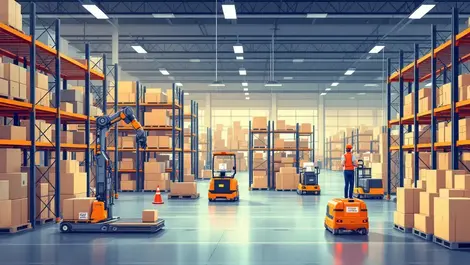
Rising labour costs and cramped warehouse space are pushing mid-sized operators to automate existing sites, not build bigger ones.
Satellite navigation outages could cost UK transport and logistics about GBP £3.3 billion in a week, underlining the scale of disruption risks.
Severe weather repairs on a key route southwest of Gisborne have won a top regional civil construction prize for Currie Construction and partners.
More than two-thirds of UK organisations have slowed AI and edge rollouts, while better network resilience is linked to GBP £3.2 million lower outage costs.